
Jennifer Jozwiak
English Professor, Allan Hancock College
Introduction
At Allan Hancock College, a primarily Hispanic-serving institution with many first-generation students, English faculty faced a familiar challenge: too many students were disengaged, unsure about assignments, and hesitant to participate.
For many, English was not their first language, and traditional tools like static discussion boards didn’t invite meaningful interaction. Students often skimmed course materials, avoided asking questions, and missed out on the benefits of peer collaboration.
“There was a lack of clarity, collaboration, and comfort. They didn’t feel connected—to the material, to each other, or to me.” – Jennifer Jozwiak, an English Professor at Allan Hancock
Solution
Professor Jozwiak introduced Hypothesis, the social annotation platform that lets students highlight, comment, and respond directly within course documents and readings.
She began by adding Hypothesis to syllabi, assignment sheets, and grading rubrics, then expanded to complex readings and proofreading activities. This simple shift turned passive reading into active, collaborative engagement.
Students could now:
- Ask questions in context.
- See how peers interpreted assignments.
- Get feedback before submitting work.
- Build confidence by helping others.
The result was a visible cultural change in her classes: more voices, more questions, and deeper reading.
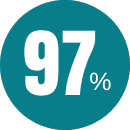
Students said Hypothesis was a useful educational tool.
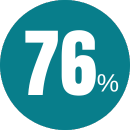
Students said Hypothesis improves comprehension.

Students report stronger critical thinking.
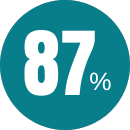
Students reported feeling more connected to their instructor through Hypothesis.
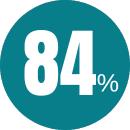
Students reported feeling closer to their classmates through Hypothesis.
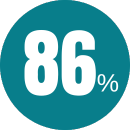
Students want to continue using Hypothesis in the future.

Students said they would recommend Hypothesis to a classmate or friend.

Most common benefits cited:
- Improved comprehension
- Encouraged critical thinking
- More active reading habits
- Better preparation for assignments and discussions
More Engagement, More Understanding
Students described Hypothesis as a way to slow down, process information, and connect course readings to their own learning.
“It helped me a lot to understand the base idea for the assignment and what the expectations are for it.”
“I used to skim. Now I slow down and actually think about what I’m reading.”
“I felt like I had grown in confidence.”
Stronger Connections in Online and Hybrid Spaces
In both face-to-face and online courses, Hypothesis created a sense of belonging.
“Hypothesis is a perfect way for students and teachers to communicate on an assignment.”
“It helped me feel more connected to my peers and relieved to know I’m not the only one with questions.”
“This helped encourage students to talk and get help from other classmates.”
Better Proofreading and Writing Skills
Peer review became more effective when tied directly to course texts and assignments.
“It was fun to catch mistakes that others missed—and helpful to see what others noticed in my writing.”
“I saw grammar in context, and I remembered the feedback.”
“I was able to spot mistakes and see the mistakes that I missed from my classmates.”
Students Recommend It
Recommendation rates were high, with students citing academic and emotional benefits.
“I would definitely recommend Hypothesis to anyone. It helped me improve my comprehension and active reading skills.”
“Yes, I would totally recommend Hypothesis to my peers because it is a helpful resource when you feel stuck.”
“I hope my other professors use it.”
Why It Works
Hypothesis transformed reading from a solitary task into a shared learning experience. Students no longer faced challenging texts alone—they had a collaborative layer for clarifying instructions, discussing ideas, and practicing critical reading.
This shift fostered digital literacy, communication skills, and confidence—benefits that extend beyond a single course.
Conclusion
At Allan Hancock College, Hypothesis has become more than a reading tool—it’s a community builder. By embedding social annotation into course design, Professor Jozwiak has helped students connect with content, peers, and instructors in ways that improve comprehension, confidence, and classroom culture.
About Hypothesis
Hypothesis is a social annotation platform that helps students read more deeply, think more critically, and engage more actively with course materials. Trusted by over 400 colleges and universities, Hypothesis brings collaborative reading into the digital age—building academic skills, fostering community, and supporting equitable learning outcomes.
Ready to give students a whole new way to engage with scholarly content? Fill out the form below to get started: